
Why It Pays to Plan for Heating and Air Conditioning Replacement
Your home's heating and cooling system plays an essential role in maintaining indoor comfort throughout the year. During the coldest winter nights and hottest summer afternoons, reliable equipment helps keep your family comfortable while protecting your home from temperature extremes. However, even well-maintained systems eventually lose efficiency, require increasingly frequent repairs, and reach the end of their useful lives.
Planning for heating and air conditioning replacement before a breakdown occurs gives homeowners more control over costs, equipment selection, and installation timing. Rather than scrambling to find a contractor when the furnace stops working in January or the air conditioner fails during a heat wave, you can compare options and prepare financially. A proactive approach also provides an opportunity to improve energy efficiency, address uneven temperatures, and choose equipment suited to your household's needs.
Understanding when replacement makes sense and what the process involves can help you avoid unnecessary expenses and make a confident investment in your home's long-term comfort.
How Often Should I Replace My Heating and Air Conditioning System?
Most heating and cooling equipment lasts approximately 10 to 20 years, although actual service life depends on the system type, installation quality, maintenance history, and operating conditions. Central air conditioners and heat pumps commonly last around 10 to 15 years, while furnaces can often operate for 15 to 20 years or longer with proper care. These ranges are general estimates rather than guarantees.
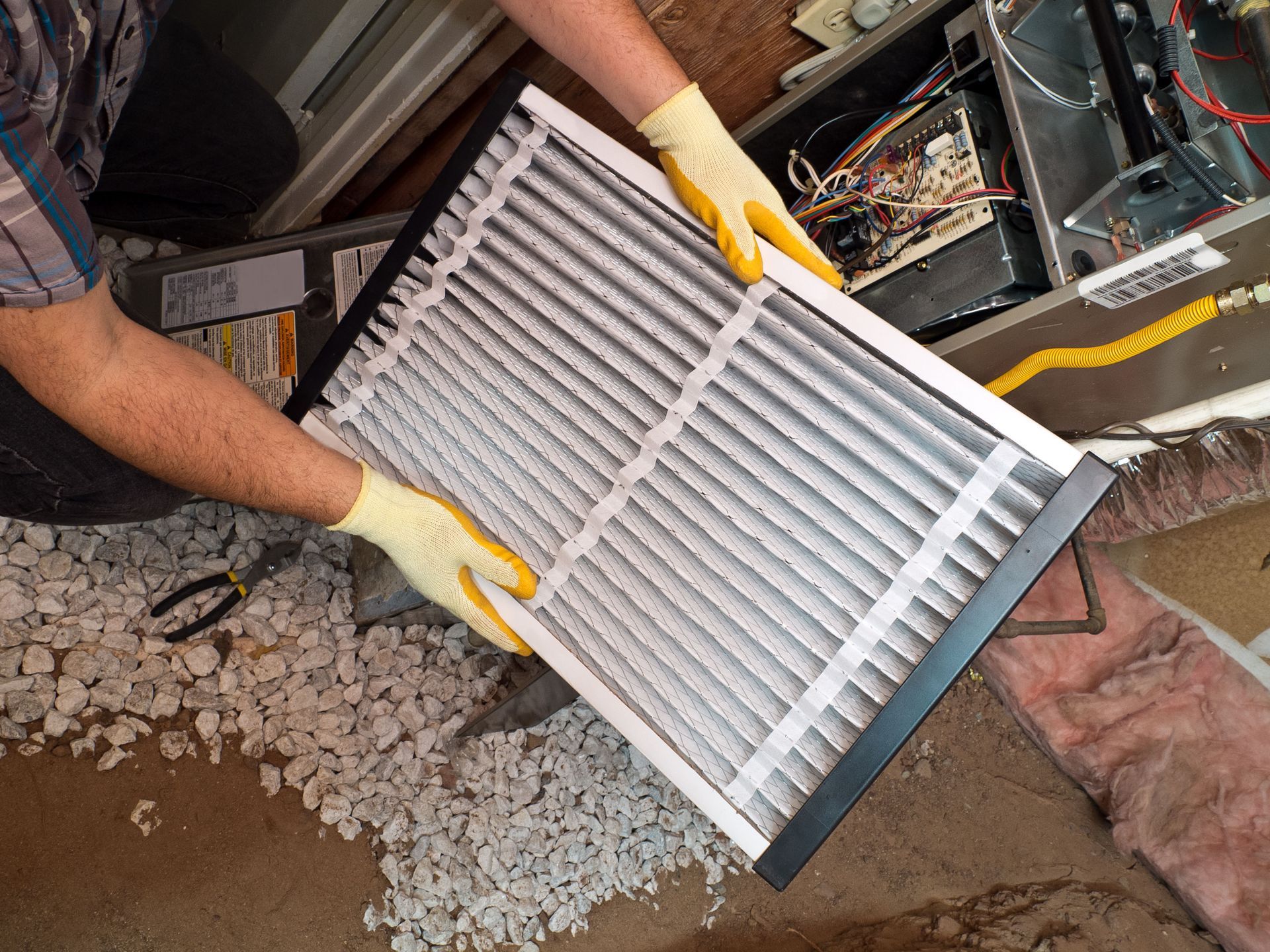
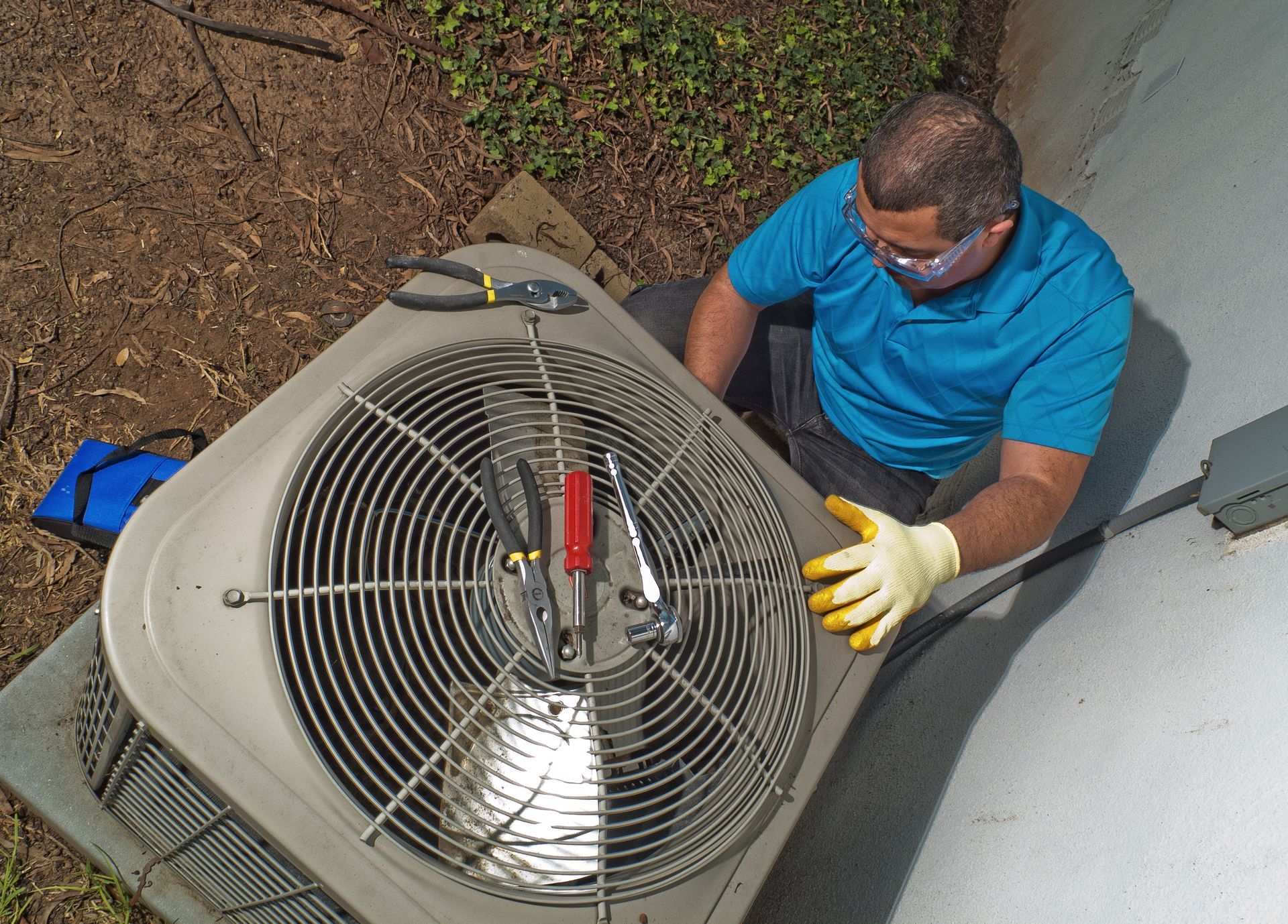
Regular maintenance can extend equipment life by helping technicians identify worn components, clean critical parts, and correct performance issues before they become expensive problems. Replacing air filters as recommended, keeping outdoor units clear of debris, and scheduling professional inspections can all contribute to reliable operation.
Nevertheless, maintenance cannot prevent every age-related problem. Older equipment may struggle to maintain consistent temperatures, run longer than necessary, or produce unusual noises during operation. Rising utility bills can also indicate declining efficiency, particularly when household energy use and weather conditions have remained relatively consistent.
Homeowners should begin researching replacement options as their equipment approaches the later years of its expected lifespan. This does not mean replacing a functioning system prematurely. Instead, it creates time to evaluate its condition, understand available technologies, and determine whether continued repairs remain worthwhile.
What Are the Benefits of Planning for HVAC Replacement?
One of the biggest advantages of planning is avoiding the pressure of making a major purchase during an emergency. When a system fails unexpectedly, homeowners may have little choice but to accept the first available installation appointment and choose from whatever equipment is immediately accessible. Planning ahead gives you time to compare contractors, research products, and make decisions based on value rather than urgency.
Energy efficiency is another important consideration. Modern systems often offer improved performance compared with older equipment, potentially reducing monthly utility bills. Depending on your existing setup, climate, and energy usage, those savings can help offset some of the initial replacement expense.
Proactive planning also makes it easier to identify opportunities for improving indoor comfort. If certain rooms consistently feel too hot or cold, a replacement project provides an opportunity to investigate airflow, insulation, ductwork, and equipment sizing. A properly designed heating and air conditioning system can address these concerns while providing more consistent temperatures throughout the home.
Finally, scheduling replacement before a breakdown allows you to choose a convenient installation date. Rather than risking a furnace failure during freezing weather, you can arrange the work when temperatures are more moderate and your household can better accommodate the process.
How Do I Know When It's Time to Replace My Heating and Air Conditioning Unit?
Age alone does not determine whether a system needs replacement, but several warning signs suggest it may be time to consider an upgrade. Frequent repair calls are among the most obvious indicators. If components repeatedly fail or repair bills continue accumulating, replacing the equipment may offer better long-term value than continuing to invest in an aging unit.
Unexplained increases in energy bills also deserve attention. Older systems can lose efficiency as components wear, forcing equipment to operate longer to maintain comfortable temperatures. However, rising bills can also result from changing utility rates, poor insulation, or other household factors, so a professional evaluation can help identify the actual cause.
Pay attention to changes in performance, including weak airflow, inconsistent temperatures, excessive noise, and difficulty maintaining your thermostat setting. These symptoms do not automatically mean replacement is necessary, but they warrant investigation.
Safety is particularly important when evaluating older furnaces. Cracked heat exchangers, combustion problems, or suspected carbon monoxide leaks require prompt professional attention. If you suspect carbon monoxide exposure, leave the home and contact emergency services. Do not continue operating potentially unsafe equipment.
A qualified technician can determine whether repairs are practical or replacement is the better investment. When reviewing recommendations, consider the system's age, condition, repair history, efficiency, and expected remaining service life together rather than relying on a single warning sign.
What Are the Financial Considerations in Heating and Air Conditioning Replacement?
A replacement project can represent a substantial household expense, making early budgeting worthwhile. According to CBS News, homeowners across the United States can expect to spend between $5,000 and $28,000 for a complete HVAC replacement in 2026, including equipment and labor.
Because that range is considerable, homeowners should obtain several detailed estimates before committing to a contractor. Quotes should identify the equipment, labor, warranties, permits, and any recommended ductwork or electrical upgrades. Comparing equivalent systems makes it easier to understand differences in price and value.
It is also wise to investigate available rebates and incentives. Utility companies, manufacturers, and government programs may offer financial assistance for qualifying high-efficiency equipment. Eligibility requirements and program availability vary, so verify current terms before including potential savings in your budget.
Ultimately, the cheapest installation is not always the best investment. Consider expected energy savings, reliability, warranty coverage, and maintenance requirements when comparing systems. A slightly higher initial price may be worthwhile if the equipment meets your needs more effectively and reduces operating expenses over its service life.
How Can I Choose the Right HVAC System for My Home?
Selecting the right equipment begins with understanding your home's heating and cooling requirements. Square footage matters, but insulation quality, window placement, ceiling height, air leakage, and local climate also affect the system capacity you need. Ask a qualified contractor to perform a professional load calculation rather than relying solely on the size of your existing equipment.
You should also consider which system type best suits your property. Traditional furnaces paired with central air conditioners remain a common option, while heat pumps can provide both heating and cooling. Ductless mini-split systems may be appropriate for homes without existing ductwork or for additions that are difficult to connect to a central system.
Efficiency ratings deserve careful attention, too. Higher-efficiency models may cost more initially but can reduce energy consumption under suitable operating conditions. Your local climate and typical utility rates will influence whether the additional investment makes financial sense.
Planning for replacement before your heating and cooling equipment fails can help you avoid emergency expenses, compare your options carefully, and choose a system that supports long-term comfort. By monitoring equipment performance, budgeting early, researching incentives, and consulting qualified professionals, homeowners can approach this major investment with greater confidence. Timely preparation makes
heating and air conditioning replacement a manageable home improvement project rather than an unexpected crisis. If you need HVAC repairs, reach out to Beebe Heating & Air Conditioning today!

Share On: