
How HVAC Contractors Evaluate Your Home Ductwork Condition
In any climate control setup, the network responsible for distributing air is often considered one of the most critical components. It functions as the primary delivery system of your living space, ensuring that heated or cooled air travels efficiently and effectively to every room. Proper maintenance of these pathways ensures comfort, safety, and operational performance throughout the year.
Despite its importance, this infrastructure is frequently out of sight and out of mind, only coming to attention when problems arise. Specialized technicians play a critical role in evaluating overall system health, helping to preemptively identify and rectify issues before they result in significant inconvenience or expense. Regular evaluations can mean the difference between minor repairs and extensive replacements, safeguarding both indoor comfort and household budgets.
Identifying Mechanical Shortcomings and Structural Failures
Early detection of distribution problems can save homeowners from expensive structural repairs and ongoing discomfort. Common indicators of concern include unexplained spikes in utility expenses, uneven heating or cooling across different rooms, and unusual noises originating from the system. Reduced air quality or increased dust accumulation can also suggest underlying issues within the pathway framework. Unpleasant odors emanating from vents may point to internal problems, such as mold growth, which often results from condensation leaks or improper sealing. Unexpected health symptoms like allergies or respiratory issues among occupants can serve as another clear warning sign.
Professional evaluators are trained to recognize and address each symptom, conducting detailed assessments to pinpoint primary causes. By examining airflow patterns, inspecting for visible structural damage, and conducting specialized pressure tests, specialists determine whether immediate repairs or broader refurbishments are necessary. From initial inspections to detailed testing and recommendations, each step is crucial in ensuring your HVAC systems operate optimally. Additionally, homeowners are encouraged to be proactive, as according to HomeGuide, ductwork has a lifespan of 10 to 20 years and usually requires replacement or repair during an HVAC system upgrade. Working alongside licensed HVAC contractors ensures these structural flaws are discovered and corrected before major failures occur.
Checking System Accessibility and Visual Integrity
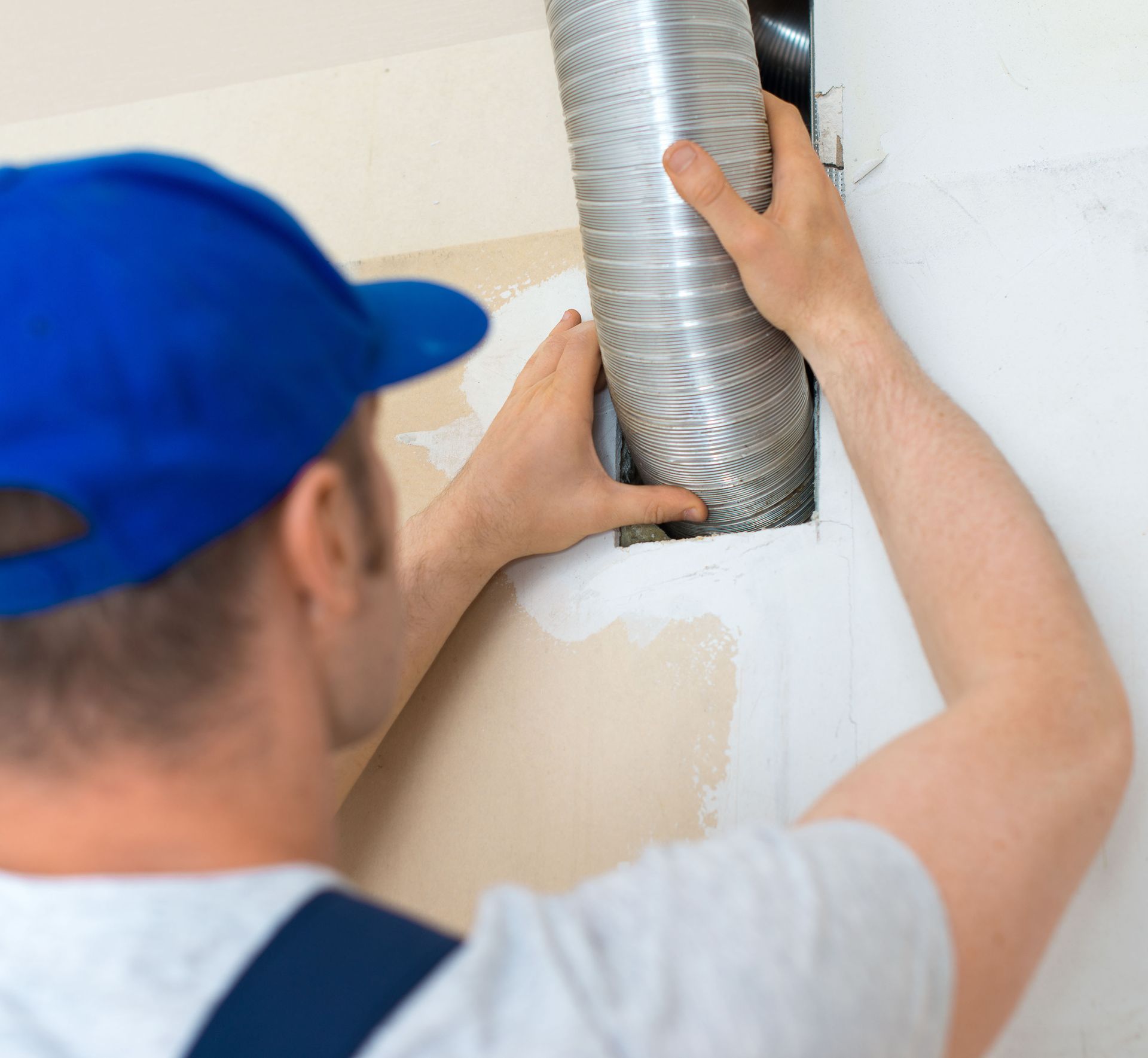
The initial phase of assessing condition involves a thorough visual review for obvious damage, disjointed connections, and surface leaks. Physical damage such as tears, loose joints, or cracked insulation allows treated air to escape into unconditioned crawlspaces or attics, elevating total energy usage. Examiners carefully look for structural gaps, rust, corrosion, and physical wear on metal channels, which often signal the start of material failure. For flexible tubing, evidence of crushing, pinching, or tight kinks that restrict overall movement is evaluated. Using specialized equipment such as flexible cameras or borescopes, technicians access tight locations for thorough internal reviews.
Accessibility is equally vital when conducting these assessments and performing necessary maintenance. Examiners evaluate whether all segments are easily reachable for ongoing care, which is particularly important if future modifications or extensions become necessary. They also check if the general layout adheres to established best practices for minimal resistance, balanced delivery, and peak system performance. An optimal layout minimizes tight bends and directs movement unobstructedly from the central unit to the living spaces. Consideration is also given to future access points for ongoing maintenance, inspection, and cleaning efforts, as accessible channels mean faster problem identification and less invasive repairs. Engaging HVAC contractors during this process guarantees that visual evaluations are handled safely and thoroughly.
Measuring Air Delivery and Static Pressure
Understanding the physical dynamics within the network is essential for evaluating total system efficacy. Balanced distribution ensures all areas of a dwelling experience consistent and reliable thermal control. Evaluating performance requires understanding the principles that drive internal movement, such as pressure differentials and channel configuration. Technical specialists recognize that factors like sizing, overall design, and surface condition directly impact internal dynamics. They focus on ensuring pathways are properly sized and tightly sealed, preventing uneven temperature zones or rooms receiving insufficient supply. Disruptions in air movement can increase energy consumption, cause excessive mechanical wear, and decrease equipment longevity over time.
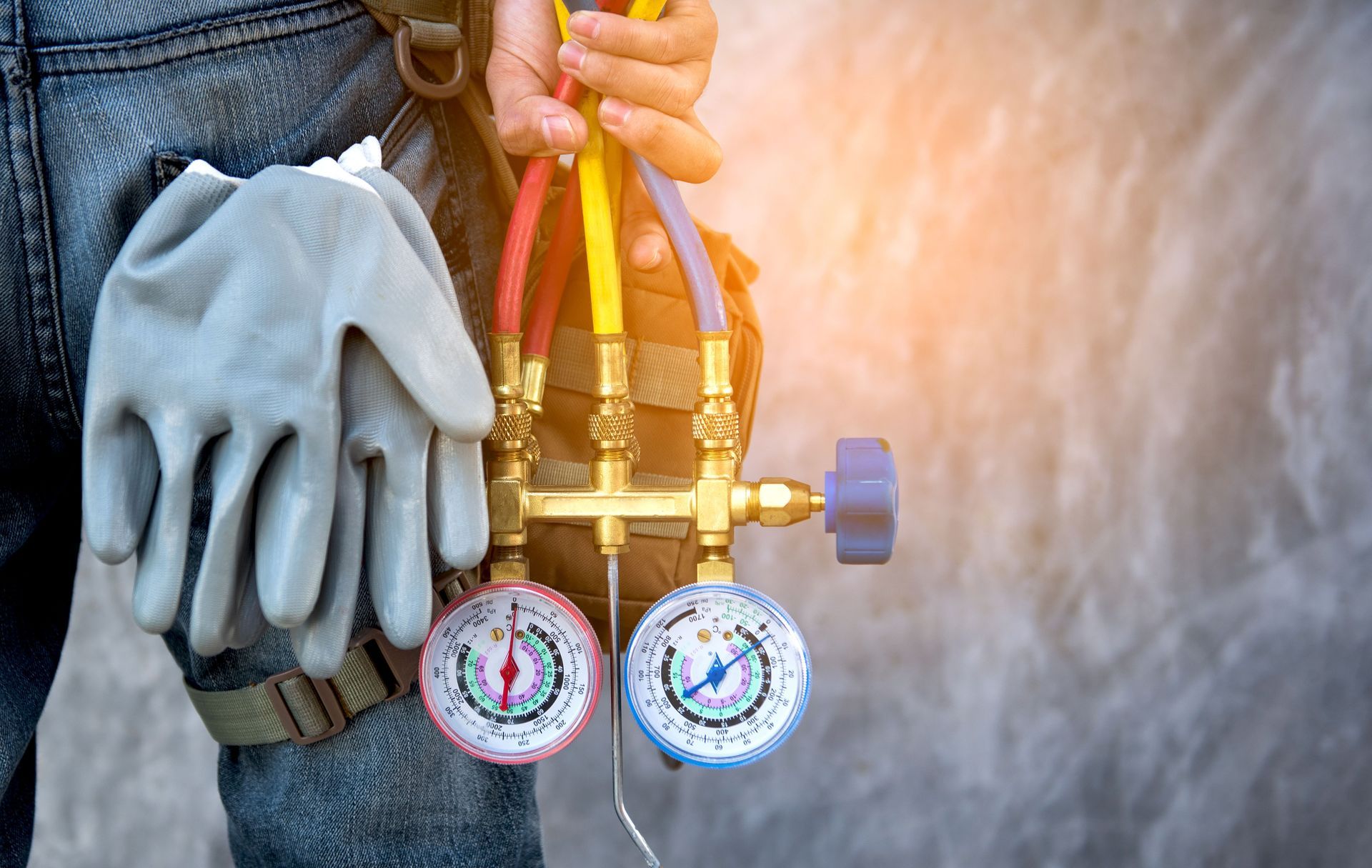
Air pressure levels within the supply network serve as critical indicators of operational health. If static pressure is too high, it leads to mechanical strain, noisy vents, and increased component wear. Conversely, low pressure often indicates hidden leaks or major blockages, both of which compromise overall effectiveness. Technical teams utilize digital manometers and other precision instruments to measure current pressure levels, comparing readings against manufacturer specifications. Through routine evaluation methods, experts address problems like internal leakage or severe blockages proactively. As accurate pressure levels are fundamental to overall functionality, monitoring these metrics remains a core component of regular upkeep. Experienced HVAC contractors utilize these measurements to optimize system performance and extend equipment life.
Evaluating Joint Seals and Testing Leakage
Distribution systems can experience air loss at several critical junctures, severely impacting overall home comfort and equipment efficiency. Common leak locations include joint connections, branch transitions between varying sections, and seams surrounding areas where pathways pass through walls or floors. Unsealed seams detract from overall performance by allowing conditioned air to escape into unconditioned building cavities, forcing the primary unit to run longer cycles. This loss of volume directly causes inconsistency in interior temperatures, creating persistent hot or cold zones across different floors. Technical teams target these high-risk areas during inspections, ensuring tight mechanical bonds are maintained throughout the layout.
Detecting hidden leaks requires specialized equipment alongside trained technical observation. One prevalent diagnostic method involves using non-toxic smoke or tracer gases to observe unintended movement, revealing hidden leakage points along concealed runs. Infrared cameras and thermal imaging tools are also commonly deployed, detecting subtle temperature changes that indicate active escaping air. Technicians combine these diagnostic methods with physical inspections to form accurate conclusions regarding necessary adjustments or repairs. Once issues are located, effective sealing strategies are applied using high-grade mastic sealants or specialized foil tapes designed for long-term durability. Certified HVAC contractors ensure these sealing procedures meet local building codes and modern efficiency standards.
Restoring Optimal Efficiency and Balanced Airflow
After completing diagnostic tests, technical experts analyze the collected data to formulate comprehensive system recommendations. Discrepancies between measured performance and standard benchmarks indicate underlying issues, such as internal restrictions, crushed sections, or improper branch sizing. Technical teams leverage their field experience alongside precise diagnostic data to draw actionable insights. Using gathered readings, they determine if volume distribution aligns with energy goals and where specific adjustments will yield the highest performance gains. Remediation strategies may include resizing key branches, re-balancing manual dampers, or replacing deteriorated segments entirely.
Achieving a fully balanced environment restores consistent comfort across every room while reducing monthly operational costs. Properly calibrated pathways allow central heating and cooling units to operate at peak efficiency without unnecessary strain on blower motors or compressors. Proactive evaluations eliminate subtle performance bottlenecks before they escalate into complete system failures. By addressing structural flaws, sealing hidden gaps, and balancing volume delivery, property owners maintain complete control over their indoor climate year-round. Partnering with
HVAC contractors provides the technical expertise required to maximize home comfort, lower utility expenditures, and protect valuable mechanical assets for years to come.
Partnering With Professionals for Lasting Home Comfort
Maintaining an efficient air distribution network is fundamental to achieving consistent indoor comfort, preserving healthy air quality, and controlling monthly utility expenses. From identifying subtle structural damage to conducting advanced pressure testing and applying durable joint sealants, professional evaluation covers every critical aspect of system performance. Regular assessments prevent minor mechanical issues from developing into costly emergency repairs or premature equipment replacement. Taking a proactive approach to system care ensures that your home remains comfortable and energy-efficient through every season.
If you are experiencing uneven temperatures, rising energy bills, or suspect your distribution system is aging, professional assistance is readily available. Contact the team at Beebe Heating & Air Conditioning today to schedule a comprehensive evaluation of your home's air delivery network. Their experienced technicians utilize industry-leading diagnostic tools to identify performance bottlenecks and deliver tailored solutions for your living space. Reach out to us today to optimize your system's efficiency, enhance indoor air quality, and secure reliable comfort for your entire household.

Share On: