
How Often Should You Schedule an Appointment with a Local HVAC Contractor?
Keeping your HVAC system running efficiently isn’t just about comfort—it’s about protecting one of the most important systems in your home. Whether you rely on central air, a heat pump, or a ductless mini-split, understanding how your system works and what it needs throughout the year is key to avoiding costly breakdowns. From following manufacturer guidelines to preparing for seasonal temperature changes, a proactive maintenance approach can significantly improve performance, extend equipment lifespan, and lower energy costs. By taking the time to learn your system’s unique requirements, you can create a maintenance plan that keeps your home comfortable no matter the season.
1. Understand Your HVAC System
HVAC systems come in various types, each suited for different environments and requirements. Central air conditioning systems are common in many homes, providing a balanced climate through ductwork and vents. Heat pumps are another popular option, offering both heating and cooling, making them versatile in climates with moderate temperature variations. Ductless mini-split systems are ideal for homes without existing ductwork, providing targeted climate control. Each system type has its maintenance demands, influencing the frequency and type of service required.
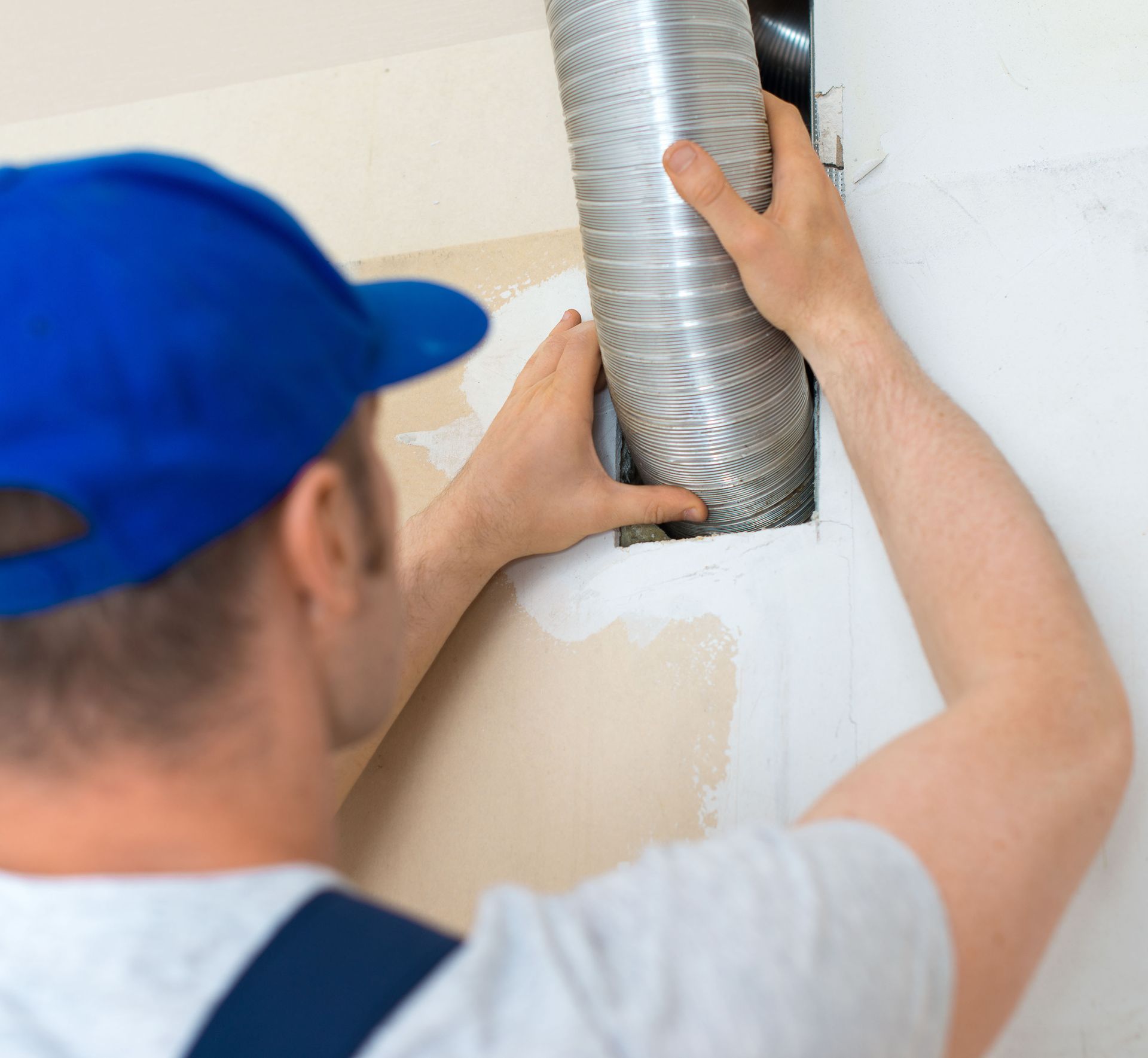
It is crucial to identify the type of HVAC system in your home to tailor a maintenance schedule that meets your specific needs. But don't worry, a local HVAC contractor can help. Central systems often benefit from biannual checks to ensure ductwork integrity and refrigerant levels. Heat pumps might require more frequent attention due to reversible operations that can strain the system. Ductless systems, while typically easier to maintain, still benefit from regular cleaning and filter changes. Understanding these characteristics allows homeowners to anticipate common issues and proactively address them before they escalate.
Regular maintenance helps avoid unexpected breakdowns and keeps systems running at peak efficiency. Each system type has vulnerabilities, such as refrigerant leaks in central air systems or clogged filters in ductless mini-splits. According to Technavio's HVAC Services Market analysis, regular air conditioning services reduce system breakdowns by 75% through proactive maintenance, preventing the 43% of summer failures caused by dirty filters and refrigerant leaks. Proactive maintenance helps combat these specific issues, providing peace of mind to the homeowner. Identifying these needs is the first step in setting up a tailored maintenance plan.
Regular maintenance is the cornerstone of a functional and efficient HVAC system. By keeping components in optimal condition, you ensure that the system operates smoothly and efficiently, reducing the likelihood of unexpected breakdowns. By scheduling regular check-ups, you can identify and rectify minor issues before they escalate into more significant, more costly repairs. This proactive approach not only saves money in the long run but also ensures the longevity of your HVAC system. The efficiency gained from regular maintenance also translates into lower energy bills, making it a smart financial decision for homeowners.
Maintenance frequency can vary based on the system type and its usage patterns. Systems under heavy use may require more frequent servicing to avoid strain-related issues. For most HVAC systems, biannual maintenance is recommended, typically in the spring and fall, preparing the system for the more demanding summer and winter months. This service frequency aligns with seasonal changes, ensuring the system is always ready to handle the temperature extremes. Understanding your system's specific needs allows for a maintenance schedule that balances efficiency, cost, and performance.
2. Manufacturer Recommendations
Manufacturer guidelines serve as an essential blueprint for maintaining your HVAC system effectively. These instructions are specifically designed to maximize the performance and longevity of the specific equipment model. Adhering to these guidelines helps ensure that your system operates safely, efficiently, and reliably. Manufacturers typically provide schedules for essential maintenance tasks, such as filter changes, system cleanings, and component inspections. By following these recommendations closely, homeowners can mitigate common system issues and extend their equipment's operational lifespan with the help of local HVAC contractors.
Keeping track of manufacturer guidelines can also inform decisions on warranty compliance. Many manufacturers require proof of regular maintenance as a condition for honoring warranty claims. Documentation of professional local HVAC contractor service visits can be critical in securing warranty-based repairs or replacements. Additionally, guidelines often include troubleshooting tips, allowing homeowners to address minor issues independently. This autonomy in system care, backed by professional advice, optimizes HVAC system performance and reliability under warranty and manufacturer specifications.
Manufacturers regularly update their maintenance guidelines, reflecting technological advancements and user feedback. It's crucial to access these updates to ensure your HVAC system aligns with current efficiency and safety standards. Many manufacturers offer online resources and customer support services, making it easy to stay informed. Incorporating these updates into your maintenance routine can result in tangible improvements in system efficiency and performance. By staying engaged with manufacturer resources, homeowners can maintain their HVAC systems to the highest industry standards.
3. Seasonal Maintenance Needs
Preparing an HVAC system for winter involves crucial steps to ensure effective heating and energy efficiency throughout the colder months. Securing adequate insulation is an important preventative step; it reduces energy loss and maintains consistent indoor temperatures. Checking and sealing any air leaks around doors and windows further enhances insulation efforts. It's also essential to test the heating system before the onset of winter to guarantee that it's fully operational when needed. These preparative measures align with proactive maintenance strategies that emphasize reliability and energy efficiency.
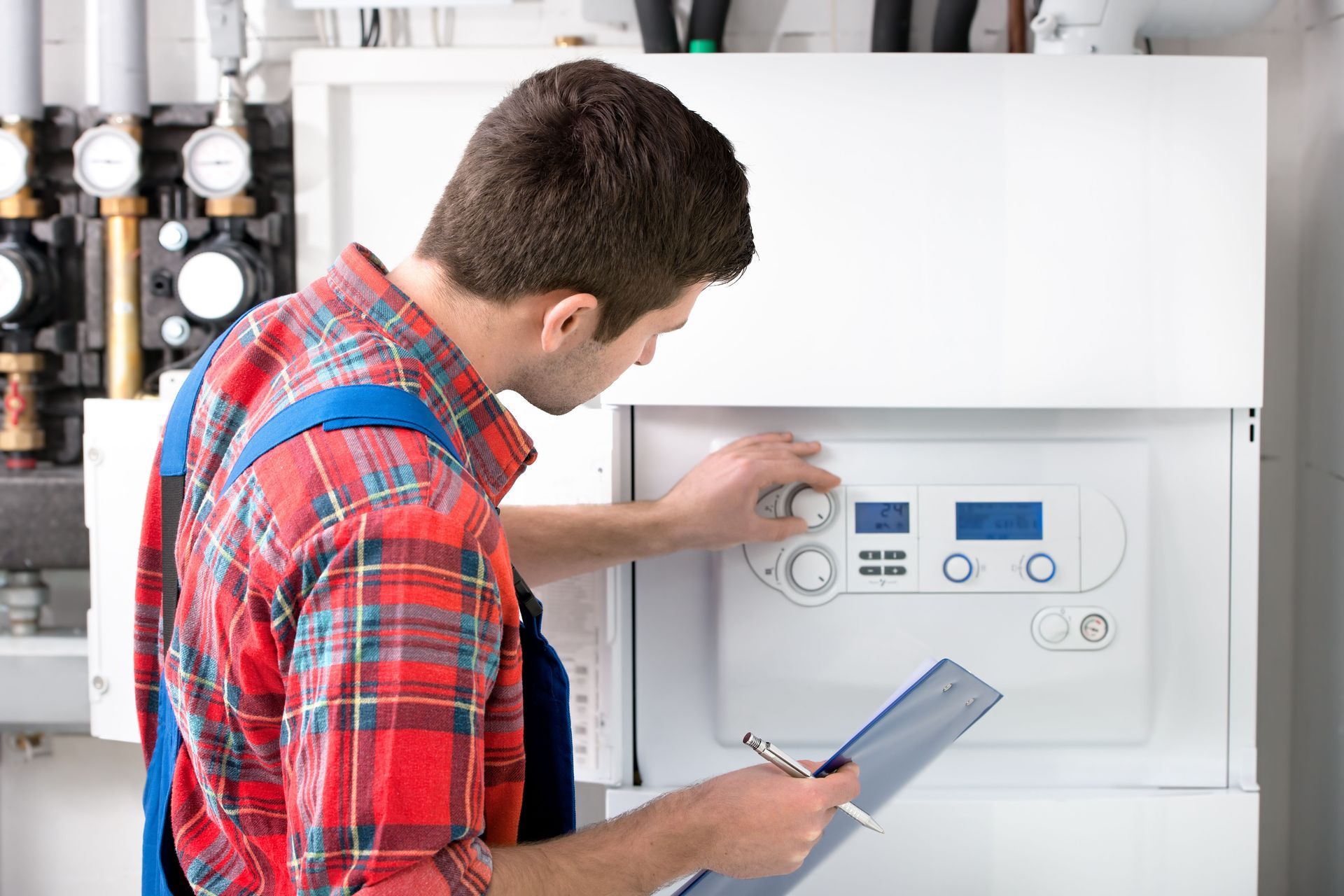
Additional winter preparation can include reversing ceiling fans to distribute warm air and allowing heating systems to work effectively. Scheduling a professional local HVAC contractor inspection of the furnace or heat pump can catch any issues early and facilitate necessary repairs. Ensuring thermostat accuracy is also crucial, as precise temperature control reduces energy waste. Regularly replacing or cleaning air filters maintains optimal airflow and system performance, further supporting energy conservation. These comprehensive steps establish a foundation for efficient and comfortable winter heating.
Regular winter maintenance from local HVAC contractors significantly reduces the risk of unexpected system failures or breakdowns. An HVAC system well-prepared for cold weather operates more efficiently, lowering energy costs and reducing wear and tear. Addressing these maintenance needs also extends the lifespan of your HVAC system by minimizing the impact of continuous winter operation. Homeowners investing in winter readiness enjoy both immediate and long-term benefits, from improved performance to reduced costs. Maintaining a focus on winter preparedness supports year-round HVAC system integrity and reliability.
Transitioning your HVAC system for summer involves a focused approach to ensure cooling efficiency and comfort. Pre-summer maintenance tasks emphasize refrigerant checks, as low levels can significantly impair system effectiveness. Professional local HVAC contractors should inspect the refrigerant charge and address any leaks promptly. This proactive care reduces the risk of cooling system failure during peak summer months, safeguarding comfort and energy cost management. Taking steps to ready the system enhances adaptability, assuring homeowners of their system's readiness and reliability.
Regular filter changes and coil cleaning are key maintenance tasks that support peak summer performance. Clean filters and coils ensure optimal airflow and heat exchange capabilities, maximizing cooling power without unnecessary energy use. Additionally, checking and calibrating thermostats guarantees precise temperature control, enhancing both efficiency and comfort. Investing in programmable or zoned thermostats can further optimize cooling while managing energy expenditures.
If you’re ready to protect your investment and enjoy worry-free comfort, consider scheduling a professional HVAC inspection today. A local HVAC contractor from Beebe Heating & Air Conditioning can assess your system, recommend the right maintenance plan, and ensure everything is running at peak efficiency—so you can stay comfortable in every season.

Share On: