
5 Common Heating Issues Heating Contractors See in Older Homes
Older homes are often cherished for their character and architectural charm, but they are also frequently plagued by heating issues that can compromise comfort and economic efficiency. Addressing these common problems is essential to maintaining a warm and cost-effective living environment during the cold months. By understanding the prevalent issues found in the heating systems of older homes, homeowners can take proactive measures to upgrade or repair their systems, ultimately conserving energy, reducing costs, and ensuring a cozy habitat by reaching out to our heating contractors.
Heating issues in older homes often stem from outdated technology and materials that no longer meet modern efficiency standards. The impact of these inefficiencies becomes pronounced as heating systems age, leading to higher utility bills and less effective heating. In such cases, a proactive approach not only improves heating performance but also significantly enhances the overall energy efficiency of the home.
Failure to address these common heating concerns can result in increased repair costs and prolonged discomfort during cold seasons. Indeed, consumers spend more than $10 billion each year on HVAC repair and maintenance, according to WebFX, underscoring the need for efficient systems. Homeowners must consider regular evaluations and upgrades as a proactive approach to managing heating costs in the long run. Understanding the typical issues faced by older systems provides a roadmap to resolving these challenges and significantly enhances home comfort and operational efficiency.
1. Inefficient Heating Systems
As heating systems age, they inevitably experience wear and tear that can lead to decreased efficiency. Components may become corroded or clogged, reducing the system's overall performance. Older systems may require more energy to produce the same amount of heat as newer, more efficient models, leading to increased energy consumption. This inefficiency often results in much higher utility bills, making it essential for homeowners to recognize the signs of aging equipment. Regular maintenance can sometimes prolong the life of a system, but ultimately, replacement with a modern, more efficient model may be the most cost-effective solution.
Outdated technology in older heating systems is a significant cause of poor energy efficiency. These systems often lack the advanced features of modern systems, such as smart thermostats and zoning capabilities, which help optimize energy use. The use of inefficient materials and designs further exacerbates energy loss, leading to higher operational costs. Homeowners may not be aware of the impact their old heating systems have on energy bills until they compare them to newer models. Upgrading to a more efficient system can lead to significant savings, although the initial investment may be substantial.
Older heating systems are notorious for requiring frequent repairs, which can become a significant financial burden over time. As components age and wear out, the likelihood of breakdowns increases, leading to more frequent calls to heating contractors. Each repair often comes with substantial costs, contributing to the more than $10 billion spent annually on HVAC repairs. Over time, the cumulative cost of repairs can surpass the expense of replacing the entire system with a newer model. Homeowners should evaluate the balance between ongoing repair costs and the investment in a new, more reliable system.
2. Ductwork Problems
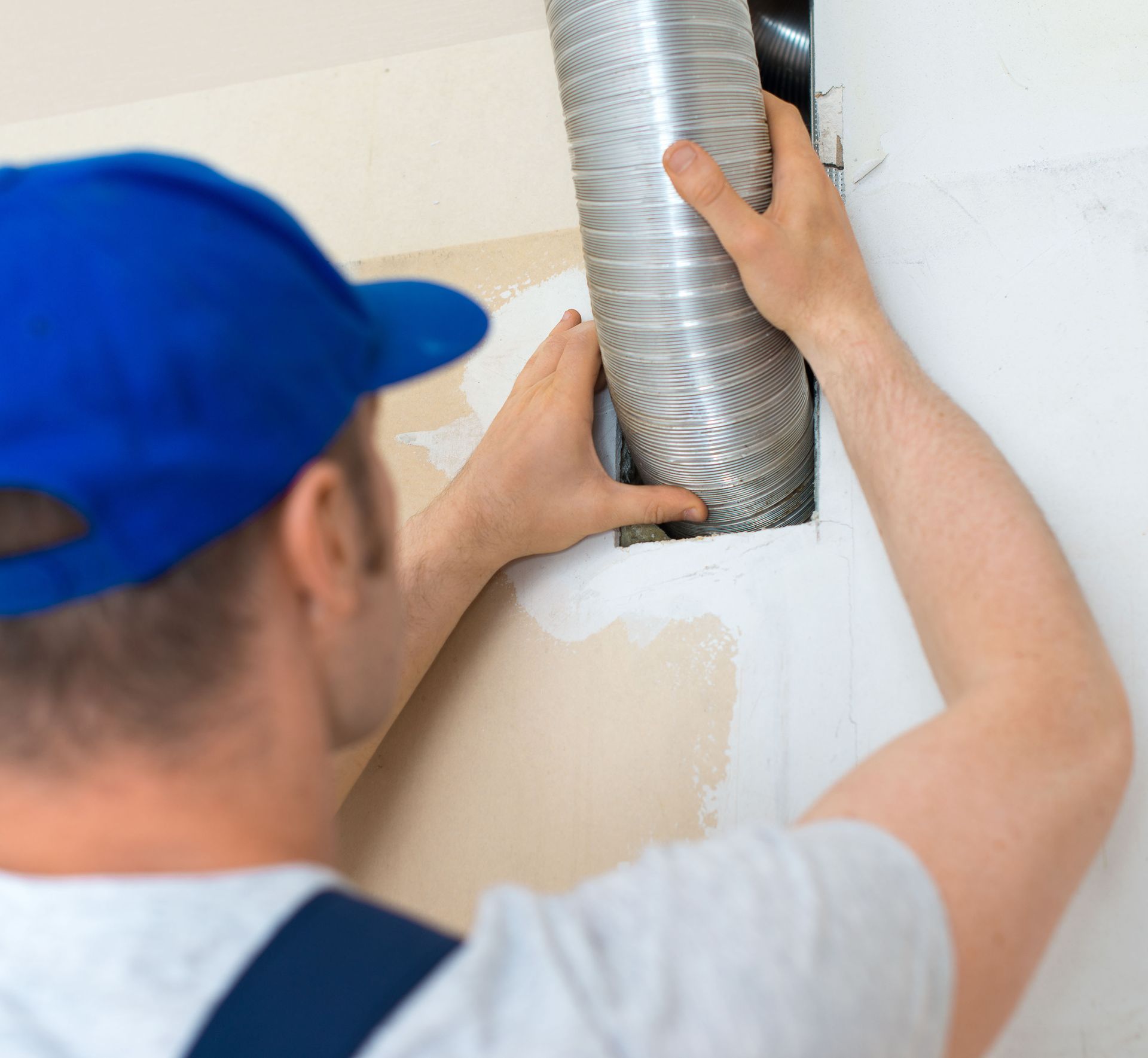
Air leaks in ductwork are a common issue in older homes, significantly reducing the efficiency of heating systems. These leaks allow conditioned air to escape into unconditioned spaces like attics or basements, wasting energy and making it difficult to maintain consistent temperatures. Not only does this lead to higher heating costs, but it also places unnecessary strain on the system. Sealing leaks and insulating ductwork can significantly improve efficiency, providing a more consistent and comfortable indoor environment. Homeowners should regularly inspect ductwork for signs of leaks and seek professional assistance to address these inefficiencies.
Ducts without proper insulation can further exacerbate the loss of heated air, especially in older homes. Poorly insulated ducts allow heat to escape as it travels through unconditioned areas, reducing overall system performance. This inefficiency is often compounded in aged systems where insulation materials may have deteriorated over time. By upgrading insulation, homeowners can see reduced energy bills as heat is more effectively delivered to living spaces. Ensuring ducts are well-insulated is crucial for optimizing the performance of any heating system, old or new.
3. Poor Insulation
Attics in older homes are frequently under-insulated, leading to significant heat loss during the winter months. This inadequacy allows warm air to escape, forcing the heating system to work harder to maintain comfortable temperatures. Improving attic insulation is one of the most cost-effective ways to enhance energy efficiency and reduce heating bills. Homeowners can benefit from hiring professionals to assess attic insulation levels and recommend appropriate upgrades. Adequate attic insulation not only conserves energy but also improves overall home comfort by stabilizing indoor temperatures.
Many older homes were built without considering modern insulation standards, leading to cold walls and drafts during winter. This lack of insulation dramatically affects the home's ability to retain heat, increasing reliance on the heating system. Retrofitting walls with modern insulation materials can significantly reduce heat loss and enhance energy efficiency. While upgrades can be expensive and disruptive, the long-term benefits in cost savings and comfort make them worthwhile investments. Homeowners should seek professional evaluations to explore the best options for upgrading wall insulation.
4. Outdated Thermostat Controls
Many older homes are equipped with manual thermostats, which can be difficult to regulate and inefficient. Unlike modern programmable or smart thermostats, manual controls require constant adjustment to maintain desired temperatures, often leading to energy waste. Upgrading to advanced thermostats allows homeowners to set heating schedules and optimize energy use based on their routines. While the initial cost of modern thermostats might seem high, they offer significant savings on energy bills over time. Investing in a programmable or smart thermostat can lead to a more efficient heating system and increased convenience.
Older heating systems often lack zoning capabilities, meaning they cannot heat different areas of the home independently. This limitation can lead to conflicts in temperature preferences and uneven heating, as some rooms may become overheated while others remain cold. Implementing zoning allows for customized temperature control in different areas, improving comfort and efficiency. Homeowners with older systems may benefit from retrofitting to include zoning capabilities, allowing for more tailored heating solutions. Zoning systems not only enhance comfort but also contribute to optimal energy use, reducing overall heating costs.
Worn-out or outdated thermostats can lead to inaccurate temperature readings, affecting heating system performance. Inconsistent temperature readings can cause the system to short-cycle or run excessively, leading to inefficient energy use and increased wear on the system. Regular checks and calibration or replacement of thermostats can maintain accurate temperature management, improving both comfort and efficiency. Homeowners should ensure their thermostats are functioning correctly to avoid unnecessary energy waste. Accurate thermostat control is integral to maximizing the effectiveness and efficiency of any heating system.
5. Radiator and Boiler Issues
Corroded radiators are a common issue in older homes and can significantly reduce heating efficiency. Rust and sediment buildup can impede the flow of hot water, reducing the ability of radiators to heat rooms effectively. Regular cleaning and maintenance can help mitigate corrosion effects, maintaining radiator performance. However, in severe cases, replacement of affected units may be necessary to restore full heating capacity. Homeowners should routinely inspect radiators for signs of corrosion and seek professional advice for maintenance or replacement options.
Older boilers can present reliability challenges, with common malfunctions including leaks, burner or valve failures. These issues can severely impact the ability of the system to provide adequate heating, leading to discomfort and increased repair costs. Regular maintenance is crucial to ensuring boilers operate efficiently and identifying potential issues before they fail. Homeowners should invest in professional inspections and consider upgrading to modern boilers with enhanced safety and efficiency features. Proactive maintenance and timely upgrades can significantly improve reliability and performance.
Heating challenges in older homes are often rooted in outdated equipment, deteriorating materials, and limited efficiency features that no longer align with modern energy standards. While these systems can deliver charm and nostalgia, they frequently struggle to provide consistent comfort without driving up energy costs and repair expenses. By recognizing issues such as inefficient systems, leaky ductwork, poor insulation, outdated controls, and aging radiators or boilers, homeowners can take meaningful steps toward improvement. For more information about the services that we offer, reach out to our incredible heating contractors at Beebe Heating & Air Conditioning today!

Share On: